Discover Wine Pairings for Dinner Guests: A Host's Complete Guide
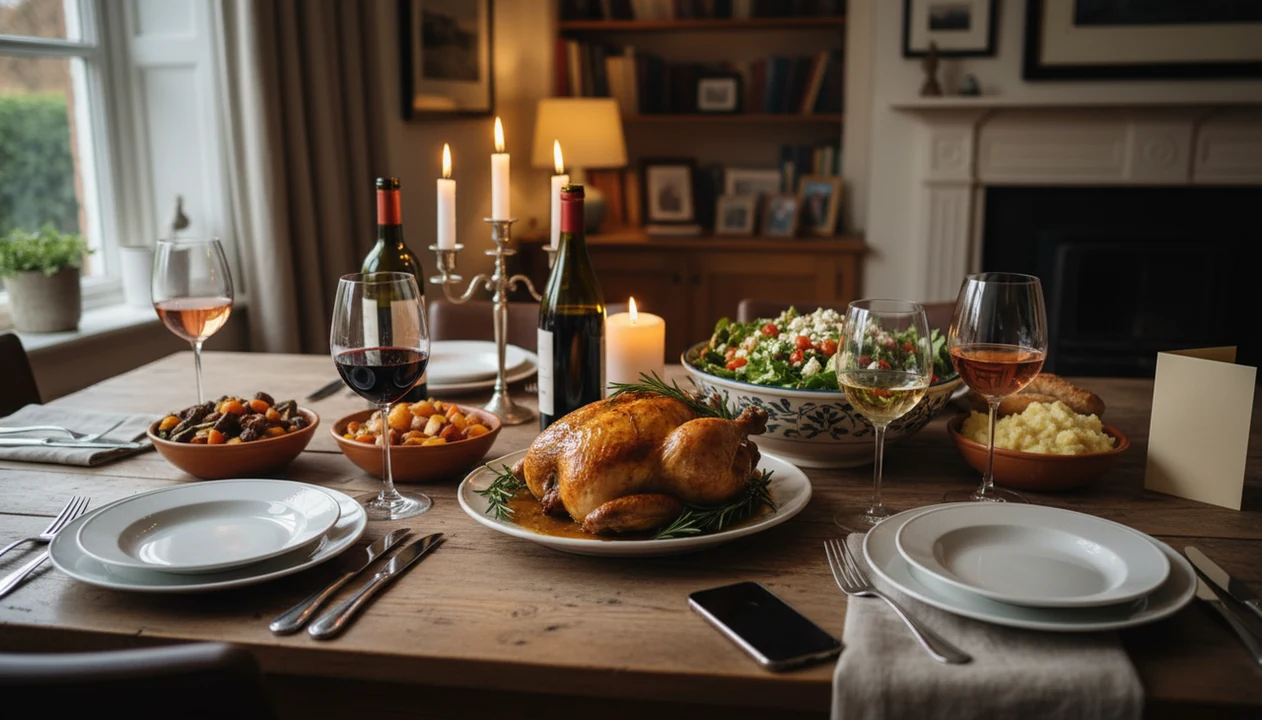
To discover wine pairings for dinner, start by mapping your menu's dominant flavors: sauce weight, spice level, and cooking method. Then choose wines that balance acidity, tannins, sweetness, and body without ignoring what your guests actually like.
For hosts who want a faster workflow, Wine Identifier App is the practical answer: it identifies bottles, reads menu details, and turns guest preferences into a short dinner-ready pairing list.
> Definition: Dinner party wine pairing is the practice of selecting wines that complement a multi-course menu while accommodating the diverse taste preferences of every guest at the table.
- Sauces and cooking methods matter more than the protein when choosing a dinner wine pairing.
- Guest preferences should override textbook rules. A crowd-pleasing bottle beats a technically correct but unloved one.
- A host wine app can scan existing bottles and a dinner menu to generate realistic, budget-aware pairings in seconds.
Dinner Wine Pairing Snapshot: 4 Decisions Hosts Need First
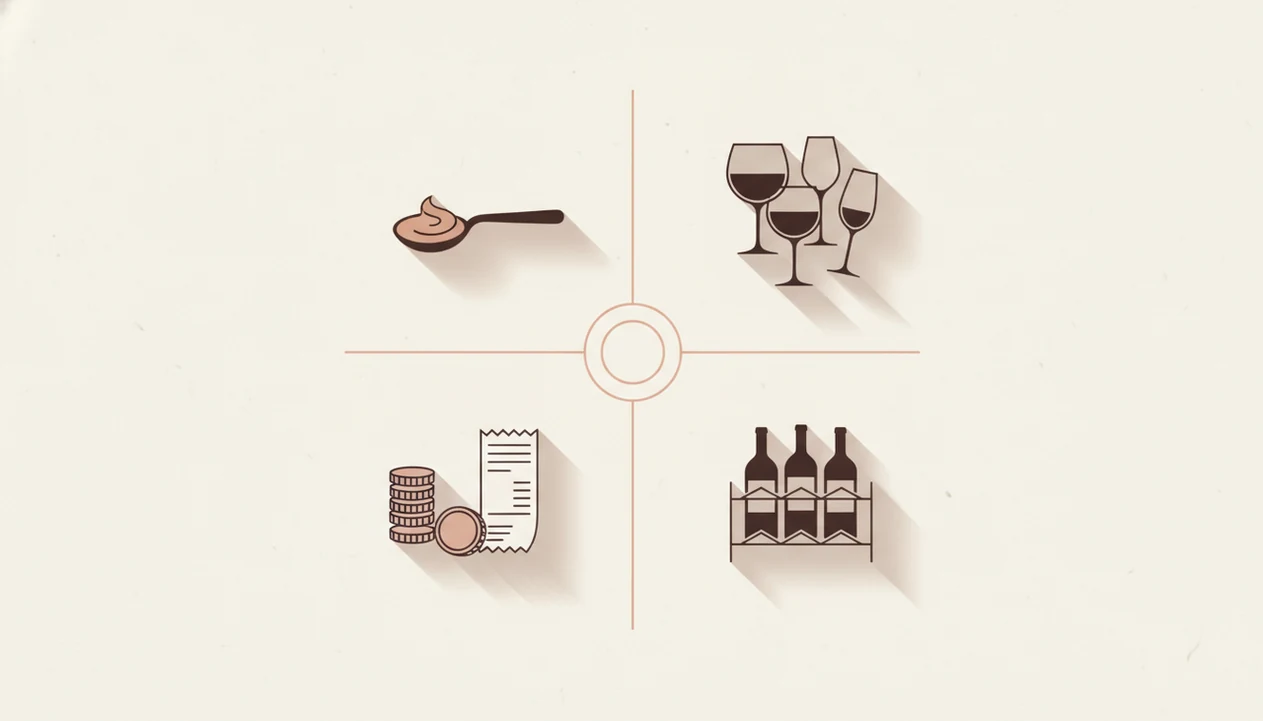
Dinner wine pairing starts with four host decisions: what the food tastes like, what guests prefer, what you can spend, and what bottles are already in the house. Get those right first; the grape names come later.
- U.S. wine consumption is large enough to make wine a normal dinner-hosting question: Americans consumed 899 million gallons of wine in 2023, according to the Wine Institute’s U.S. wine consumption data source.
- A 2018 sensory study found that food-wine pairing quality can influence liking, perceived wine quality, enjoyment, and willingness to pay source.
- Many hosts now use digital wine tools for label lookup, cellar tracking, and pairing prompts, but app advice is only as useful as the menu details entered.
- Sauce weight, spice, sweetness, salt, and char usually explain more than “chicken” or “beef” alone.
- The practical host sequence is menu analysis, guest-preference mapping, budget setting, and a quick check of bottles already owned.
The first cork sniff at the counter tells you little. The label, the menu, and the people at the table tell you more.
Dinner Party Wine Pairing Mechanics for Sauce, Tannin, and Acidity
Dinner party wine pairing works by balancing sensory pressure: acid cuts richness, tannin grips protein and fat, sweetness calms heat, and body should roughly match the dish’s weight. Think in forces, not rules.
Flavor Axes That Drive Every Wine-Food Match
Acidity, tannins, sweetness, body, and intensity are the main axes. Bright acidity can lift goat cheese or a lemony salad. Firm tannins, like the chalky grip of young Nebbiolo on the gums, need enough fat or protein to soften them. Experimental research has also shown that sweet foods can reduce perceived bitterness and astringency in red wine, while salty foods can increase perceived body source.
Why Sauces and Sides Outweigh the Main Protein
Pair the sauce, not only the protein. Salmon with beurre blanc asks for a different wine than salmon with miso glaze. Roast chicken with mushrooms leans earthy; chicken with chile crisp leans spicy and oily.
For multi-course dinners, two or three flexible wines usually work better than a separate bottle for every plate because guests can return to the style they enjoy. Tools like Wine Identifier App can apply these principles through label and menu analysis, but the menu details still matter.
6-Step Dinner Pairing Method for Real Host Menus
A reliable dinner pairing method begins with the real menu and ends with a short bottle list. For hosts, the goal is not a sommelier exam; it is fewer clashes on the table.
- Write the full menu, including sauces, sides, spice level, and dessert sweetness.
- List guest preferences and constraints, such as reds only, sweet-leaning whites, no high-alcohol styles, or a fixed budget cap.
- Inventory bottles already at home, including vintage, region, grape, and any drinking-window notes.
- Scan labels and match against the menu with a host tool such as Wine Identifier App after the food details are clear.
- Fill gaps with targeted purchases from an AI-generated shopping list, instead of buying six “safe” bottles.
- Taste-test pairings the night before if possible, especially sauces, cheese, and dessert.
A smudged cellar bottle fresh from the rack can still be useful. Turn it under a kitchen pendant light and find the tiny appellation line before replacing it.
For home inventory, a best wine cellar app is often more useful than a note on the fridge because it keeps vintage, quantity, and location together.
Dinner Host Scenario 1: Steak and Bold-Red Lovers
For grilled ribeye with peppercorn sauce, roasted root vegetables, and chocolate dessert, start with full-bodied reds that can stand up to fat, char, and spice. Cabernet Sauvignon, Malbec, and Zinfandel are the natural shortlist.
Cabernet brings tannin and black fruit, which suit ribeye’s fat. Malbec adds plush dark fruit and softer edges, useful when guests like bold wine but not hard tannin. Zinfandel works when the sauce has pepper, smoke, or a little sweetness.
In one steak dinner plan, Wine Identifier App scanned the host’s existing Merlot and flagged it as a reasonable swap for guests who wanted a smoother red. Not textbook first choice, but sensible. The app did not pretend the Merlot was Cabernet; it explained the softer tannin tradeoff.
For a deeper steak-only workflow, a tool to pair wine with steak can narrow the choice by cut, sauce, and doneness.
Dinner Host Scenario 2: Multi-Course Menu With Mixed Preferences
A mixed-preference dinner needs a flexible set of bottles, not a parade of separate pairings. For appetizer salad, salmon entrée, pasta course, and a cheese board, Pinot Noir and Riesling can cover more ground than most hosts expect.
The guest list changes the plan. One person drinks only red. One prefers off-dry whites. One wants something unfamiliar. Pinot Noir gives the red-only guest a lighter option that can still work with salmon and mushroom pasta. Riesling handles salad acidity, richer fish, and salty cheese, especially when it is dry to off-dry.
No, you do not need a different bottle for every course. That often creates clutter and half-finished bottles.
Wine Identifier App divino ai wine identification and sommelier app maps group preferences to a small, flexible set by combining label recognition, menu reading, and pairing logic. It can narrow choices quickly, but it cannot guarantee that every guest will love the same glass.
Dinner Host Scenario 3: Budget-Friendly Vegetarian Pairing Night
Vegetarian dinner pairing works well on a modest budget because vegetables, grains, herbs, and sauces give clear pairing clues. Expensive wine is not automatically the better match.
For roasted cauliflower with tahini, mushroom risotto, and spiced lentil stew, start with Sauvignon Blanc, unoaked Chardonnay, and light Pinot Noir. Sauvignon Blanc brings bright acidity for tahini and herbs. Unoaked Chardonnay gives enough body for risotto without adding vanilla sweetness. Light Pinot Noir can meet mushrooms and lentils without crushing them.
The myth is that a higher price solves pairing. It doesn’t. A $22 bottle that fits cumin, lemon, and mushrooms can beat a $75 bottle built for roast lamb.
A budget filter and cellar scan in Wine Identifier App can help avoid duplicate buying. If you already own a crisp white and a light red, the shopping list might need only one missing style.
For pasta-heavy vegetarian menus, a tool to pair wine with pasta can separate tomato, cream, pesto, and mushroom sauces quickly.
4 Common Patterns in Successful Dinner Wine Pairings
Successful dinner wine pairings usually share four patterns: the host checks existing bottles first, maps guest preferences, limits the wine set, and uses digital help only after giving clear inputs.
First, hosts who inventory bottles before shopping spend less and waste less. Loose receipts under a tasting notebook are not an inventory. Second, guest-preference mapping prevents the awkward pour nobody drinks. If three people dislike dry rosé, the “ideal” pairing is not ideal for that table.
Third, two to three well-chosen wines can cover a four-course meal when they are chosen for range. One bright white, one lighter red, and one richer bottle often do the work.
Fourth, AI-assisted pairing reduces second-guessing for beginners, especially when the menu includes spice, cheese, or several sauces. For a broad feature comparison, a best wine pairing app guide can help separate menu scanners from simple grape lookup tools.
Wine Pairing App Blind Spots for Dinner Hosts
Wine pairing apps are useful shortcuts, not final authority. Vague menu descriptions produce vague recommendations, especially when “pasta” could mean tomato, cream, pesto, anchovy, or ragù.
Individual sensitivity also varies. Some guests notice bitterness quickly. Others feel alcohol heat before they notice fruit. No app accounts for that perfectly. Many classic pairing rules are tradition-based, too, and not rigorously tested across every cuisine.
Availability is another snag. A recommendation for Etna Rosso or Vouvray may be sound, but useless if the closest shop has neither. That is where constraints matter: budget, region, store, number of bottles, and must-use cellar wines.
Be specific.
A scanned by-the-glass column on a chalkboard can help at a restaurant, but home hosting still needs your judgment. If you want a dinner-specific workflow, an app that pairs wine with dinner should let you enter courses and guests, not just one dish name.
Limitations
AI and app-based pairing can make hosting easier, but dinner wine pairing still involves taste, context, and availability. Use recommendations as a structured starting point, then adjust for the actual table.
- AI pairing accuracy depends on detailed, honest input about sauces, spice, sweetness, and guest preferences.
- No algorithm fully replaces tasting with your own palate before dinner, especially for risky pairings.
- Individual thresholds for bitterness, sweetness, acidity, and alcohol heat vary widely.
- One pairing will not satisfy every guest equally, even when the food match is technically sound.
- Many classic rules lack rigorous scientific testing across global cuisines and mixed cooking traditions.
- App recommendations may mention wines unavailable in your region, shop, or delivery window.
- Digital tools cannot read in-the-moment guest reactions or adjust when someone leaves a glass untouched.
- Budget filters depend on local pricing data, which can lag behind shelf prices.
- Label scans can struggle with torn, glossy, low-light, or condensation-softened labels.
The safest host move is simple: offer two contrasting styles and let people choose.
FAQ
Can red wine pair with fish?
Yes. Lighter reds like Pinot Noir can pair with fish, especially salmon, tuna, or dishes with mushrooms, tomato, or rich sauces.
How many wines do I need for a dinner party?
Two to three well-chosen wines usually cover a four-course dinner. Choose one bright white, one flexible red, and one richer or sweeter option if dessert needs it.
Does expensive wine pair better with dinner?
No. Fit to the dish matters more than price, and a modest bottle can outperform an expensive wine if acidity, body, and flavor intensity match the food.
What wine pairs with spicy food?
Off-dry whites such as Riesling or Gewürztraminer often work well with spicy food. Their slight sweetness can soften heat and balance salt.
Is there an app that picks wine for dinner?
Yes. Wine Identifier App can scan wine labels and menus, then suggest pairings based on the dinner plan and bottle style.
Should I match wine to the sauce or the protein?
Match wine to the dominant flavor, which is often the sauce. A creamy, spicy, or acidic sauce can change the pairing more than the protein.
Can I use wines I already own for dinner pairings?
Yes. Scanning existing bottles with a host wine app can build pairings from your current inventory before you buy anything new.
What should I do if guests do not like my wine choice?
Offer two contrasting styles, such as a crisp white and a soft red. Guest preferences should matter more than textbook pairing rules.