Prices and value
How much is my wine worth? Start with what you plan to do with it
How much your wine is worth depends on the producer, the vintage, how it was stored, where it came from and the bottle size. A scan gives a quick estimate. A bottle you plan to sell, insure or consign needs a second source, and sometimes an expert.


By AppDivino team · Published
The question that decides everything: what happens next?
Before you type anything into a search box, decide what the number is for. Curiosity needs one answer. A sale needs another. An insurance claim needs a third.
Most bottles are worth less than people hope, and a few are worth much more than they expect. Age alone does not make wine valuable; plenty of old bottles are simply old. What moves the price is who made it, which year it is, whether it was kept cool and still, whether you can show where it has been, and whether it is a standard 750 ml bottle or a larger format.
The situations below are in rough order from easiest to hardest.
You were given a bottle as a gift
Do this: read the label, find the producer and the vintage, and run a quick estimate. A scan with DiVino reads the label and shows an estimated bottle value next to ratings and a drinking window. If you own an iPhone, your wine value lookup is just DiVino from the App Store; it runs on iOS 18 or later.
Skip: paying for an appraisal. A gift bottle rarely justifies it, and the drinking window usually matters more than the price. If the window says Ready or At peak, we would open it with someone who will enjoy it.
One catch: gift bottles are often wrapped, boxed or carried around. Check that the label is clean and the year is readable before you trust any match.
You inherited a case or a few old bottles
Do this: before you move anything, write down what you see. Producer, vintage, format, fill level (how far the wine sits below the cork), capsule condition, and where the bottles were kept. Then photograph each label in good light and scan them into the cellar so the list exists in one place.
This is the situation where a wine collection valuation question starts to matter. A rough total from estimates is fine for getting your bearings. If a few bottles come back with high figures, treat those as the ones to get looked at properly.
Skip: opening bottles to see if they are any good, at least until you know what you have. Skip also the first dealer who offers a flat price for the lot without itemizing it.
Provenance counts here. A case that sat in one cool cellar since purchase is worth more than the same wine with no history, and a scan cannot tell the two apart.
You found an old bottle in a cupboard
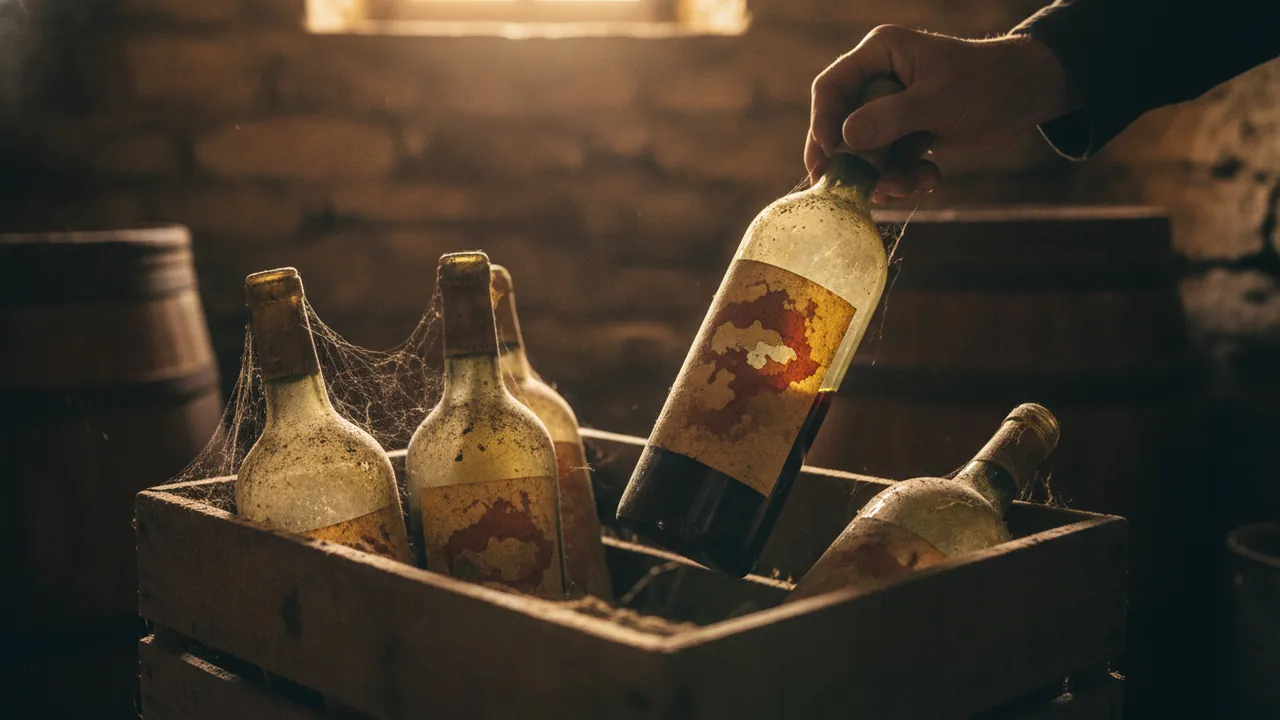
Do this: look at the fill level, the cork and the capsule first, then the label. Seepage, a pushed-out cork or a level well down the neck are bad signs, and heat damage cannot be seen from a label at all.
People searching for old wine bottles value often assume age equals money. It does not. A bottle that spent years on top of a fridge or in a warm cupboard may be undrinkable and close to worthless, even if the same wine stored well would be prized.
Skip: cleaning the bottle aggressively. Dust on a good old bottle is normal, and rubbing a fragile paper label can do real harm. Wipe the glass gently and scan the label as it is.
Here is where DiVino's limit matters, and we will say it once: a scan reads the label and estimates value from it. It cannot confirm that the wine is authentic, where it has been or how it was kept, and the year on similar labels can be misread, so check the vintage on the bottle yourself.
You loved a bottle at a restaurant and want to know what it is worth
Do this: photograph the label when the server brings it, or scan the wine list page. Then you can compare the list price to the estimated bottle value. Restaurants add service, glassware and storage costs to the price, so a list price above the estimate is normal and not a sign of a rip-off by itself.
Skip: treating that estimate as what the wine is worth to you. Value to a buyer and value at your table are different things. If you want to buy a bottle to drink again, a shop price is the number that matters.
The same habit helps when you are trying to look up a wine's value from a label for a bottle you do not own yet: the estimate tells you roughly where the market sits, and a merchant listing tells you where you can actually buy.
You want to sell, insure or consign
Now an estimate is only a starting point. Estimated value in DiVino is guidance, not a formal appraisal, and no insurer or auction house will accept it as one.
Do this: get the estimate, then check a second source such as merchant listings or recent auction results for the same producer, vintage and format. For anything that looks valuable, ask an auction house or a wine appraiser for an opinion. They can inspect the bottle, judge condition and weigh provenance, which is exactly what a camera cannot do.
Skip: sending money or bottles to a site that promises an instant guaranteed offer. To avoid fake wine sites, be wary of prices that are too good, unusual payment methods and sellers you cannot verify.
If you use Android, the wine valuation app is the same DiVino you can get from Google Play, and the same rule applies: use it to decide whether an expert is worth calling, not to replace one.
Edge cases that do not fit neatly
- Large formats such as magnums can price differently from standard bottles, so confirm the size before comparing.
- Labels that are torn, faded or in another language often scan poorly; type the producer and vintage by hand if needed.
- If a bottle cannot be found at all, that does not make it rare. Small producers and older vintages often have thin records.
- High scores raise interest, but you should know what wine scores mean before leaning on them: a critic number is an opinion about taste, not a promise of resale price.
- Sentimental bottles, such as a wedding year, are worth what they mean to you, whatever the estimate says.
When in doubt, we would drink the ordinary bottles, keep the documented ones and ask someone qualified about the rest.
Frequently asked questions
What makes a bottle of wine valuable?
Value comes mainly from the producer, the vintage, scarcity and demand, and the condition of the bottle. Provenance, meaning a documented history of where the bottle has been stored, can add a lot at the high end.
Does the storage of a wine affect its value?
Yes, storage can raise or wreck the value of a bottle. Heat, light, vibration and a dried cork can all damage wine, and buyers pay less for bottles with low fill levels, stained labels or signs of seepage.
Are old wine bottles worth money?
Some are, but age alone does not make a wine valuable. Most old bottles are worth little, while a small share from well-known producers and strong vintages can sell for real money.
Can I sell a bottle of wine I found or inherited?
Often yes, through an auction house, a licensed wine merchant or a consignment service. Rules differ by state and country, so check local alcohol laws before you sell.
How do I find out the real value of a wine bottle?
Compare recent auction results and retailer listings for the same producer, wine, vintage and bottle size. For valuable bottles, a wine auction house or a professional appraiser can give a firm figure.
When should I ask an auction house or appraiser?
Ask when the bottle may be worth hundreds of dollars or more, or when you need a figure for insurance, an estate or a sale. An expert can also check fill level, label and capsule condition and authenticity, which a photo estimate cannot.