
AI Wine Identifier Apps vs Vivino: Which Approach Fits?
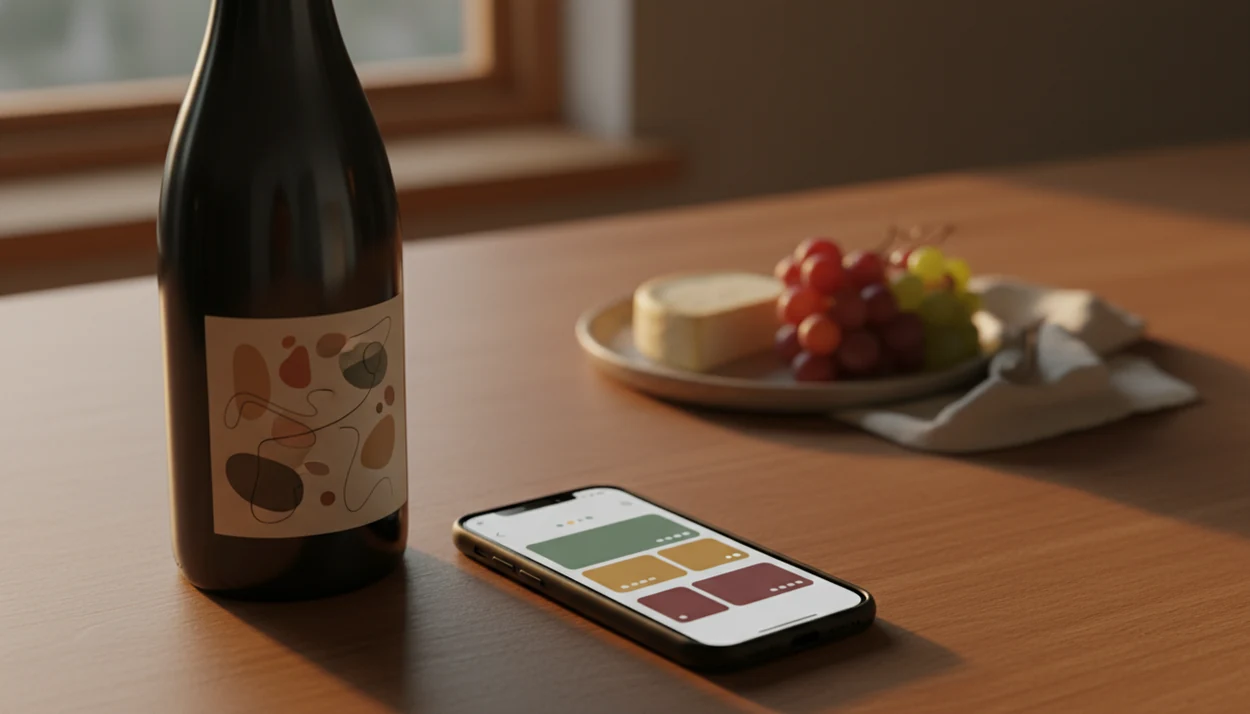


Download App: AI wine app vs Vivino
Choosing between an AI wine identifier and Vivino is less about finding one universally “best” app and more about deciding what kind of help you need. Vivino is built around a large community of wine drinkers, crowd ratings, reviews, shopping information, and personal tracking. AI-first wine apps focus more on interpreting a bottle or wine list and turning available information into direct guidance.
These approaches overlap, but they are not interchangeable. Crowd data can reveal how thousands of people responded to a wine. AI guidance can explain grapes, regions, styles, food pairings, and likely differences between bottles—even when community data is sparse. Understanding those strengths makes it easier to choose an app for shopping, cellar management, restaurant decisions, or learning about wine.
Crowd ratings and AI guidance answer different questions
A crowd-rating platform is most useful when your question is, “What did other users think of this bottle?” Ratings can provide a quick signal, while written reviews may reveal recurring impressions such as strong oak, noticeable sweetness, high acidity, or good value. A large number of consistent reviews is often more informative than one isolated score.
AI guidance starts from a different question: “What should I understand about this wine?” After identifying a label or receiving manually entered details, an AI tool may summarize the grape, region, vintage, expected flavor profile, serving temperature, decanting considerations, and food pairings. The best AI sommelier apps also let users ask follow-up questions in ordinary language.
Neither method creates certainty. Crowd ratings reflect personal taste and can be influenced by price, occasion, expectations, or an incorrectly matched vintage. AI descriptions are generated from available label details and wine knowledge; they are not laboratory analysis of the liquid inside your bottle.
Social discovery is not the same as personal guidance
Vivino’s social model is valuable for browsing popular bottles, following reviewers, comparing reactions, and seeing what people with similar preferences enjoy. It can make wine discovery feel less intimidating because the user is not relying solely on producer language or a shelf tag.
An AI-first experience is usually more conversational and task-oriented. Instead of reading dozens of reviews, you might ask whether a wine is likely to be light or full-bodied, whether it will suit roast chicken, or how it differs from another bottle. This can be faster when you want an explanation rather than a popularity ranking.
However, AI should not pretend to know your palate immediately. Useful personalization depends on the preferences and feedback you provide. Someone who dislikes tannic reds may get little value from a highly rated Cabernet Sauvignon unless the app understands that preference. A crowd score describes aggregate approval; it does not prove that you personally will enjoy the wine.
Cellar tracking requires more than scanning a label
Wine drinkers who maintain a collection should evaluate inventory features separately from identification quality. A good wine inventory app should record bottle quantities, vintages, storage locations, purchase prices, tasting windows, and consumption history. Scanning can reduce data entry, but the long-term value comes from keeping those records organized.
Vivino can work well for people who want their ratings, scanned wines, and community activity connected in one account. An AI identifier may be more appealing to someone who wants educational notes or recommendations without making social discovery the center of the experience. Serious collectors may also consider a dedicated database or a CellarTracker alternative designed around collection management.
Before committing to any platform, check whether records can be corrected and whether vintages remain distinct. The same label may appear across many years, and merging those entries can weaken tasting history and value estimates.
Restaurant use favors context over popularity
At a restaurant, the main challenge is often not identifying one bottle. It is comparing an entire list under time pressure. A familiar crowd score can be reassuring, but the most popular bottle may not match the meal, budget, or style you want.
A wine menu scanner app can help extract names from a printed list and organize choices by color, grape, region, price, or likely pairing. AI guidance can then explain unfamiliar appellations and suggest a shortlist. Results still need checking because decorative fonts, dim lighting, partial names, and line breaks can cause text-recognition errors.
Restaurant prices also require context. A bottle costing much more than retail is not automatically a bad order: the restaurant pays for storage, service, glassware, spoilage risk, and hospitality. Comparing list price with an estimated market price can expose unusually high or relatively fair markups, but it cannot measure service quality. See the restaurant wine price comparison guide for a more useful way to interpret the difference.
Identification accuracy depends on the label and vintage
Both community databases and AI-assisted scanners can identify clear, widely distributed labels quickly. Difficult cases include damaged labels, glare, unusual typography, private-label wines, small producers, and bottles whose front label omits the grape or exact cuvée. Vintage numbers are especially easy to miss or misread.
A plausible match is not always the correct match. Confirm the producer, wine name, region, vintage, and bottle size before relying on ratings, drinking windows, or prices. If the app shows a non-vintage entry for a vintage wine, search manually rather than assuming the details are interchangeable.
For a fuller explanation of image recognition, database matching, and common failure cases, read how accurate wine scanner apps are. No consumer scanner can determine whether a bottle has been heat damaged, oxidized, counterfeited, or poorly stored from a front-label photograph alone.
When Vivino is likely to fit best
Vivino is a natural choice when community opinion is central to your decision. It suits shoppers who want to scan a bottle, review user reactions, compare broadly available wines, save ratings, and build a history within a social wine platform. Its accumulated community information can be particularly useful for mainstream bottles with many reviews.
It may be less decisive when a wine has few ratings, conflicting reviews, an uncertain vintage match, or a style that is unfamiliar to the user. A high average does not explain whether the wine is dry, heavily oaked, delicate, tannic, mature, or suitable for tonight’s food. Reading detailed reviews can provide those clues, but doing so takes time and still requires judgment.
When an AI wine app is likely to fit best
An AI wine identifier fits users who want fast explanations, pairing ideas, comparisons, and conversational follow-up. It can be especially helpful when learning regional terminology or comparing bottles that do not share an obvious rating scale. Review the broader wine identifier app guide to compare the features that matter beyond recognition.
DiVino is one optional iPhone example of this approach. It combines label-oriented identification with AI guidance, but its answers should still be treated as informed assistance rather than verified tasting or chemical analysis. DiVino is iPhone only. Android users would need a separate product such as AI Lens; AI Lens is a companion option, not the Android version of the same app. Pricing and feature limits should be checked on the current DiVino pricing page.
When using both approaches makes sense
Many wine drinkers do not need to choose permanently. Use a community platform to inspect ratings and real user experiences, then use an AI tool to interpret the wine’s style, compare it with alternatives, or choose a food pairing. In a restaurant, AI may help narrow the list while crowd reviews provide a second opinion on the finalists.
Keep a tasting record after opening the bottle. Your own notes are more relevant to future decisions than any global average. A dedicated wine tasting journal app can reveal which grapes, regions, producers, and styles repeatedly work for you.
The practical choice is therefore straightforward: choose Vivino when community discovery and crowd ratings are the priority; choose an AI identifier when explanation and contextual guidance matter more. Use both when the purchase is expensive, the wine is unfamiliar, or you want independent forms of evidence. The tools are strongest when they support your judgment—not when a rating or generated answer replaces it.
Frequently asked questions
When should I use Vivino instead of an AI wine identifier app?
Vivino is useful when you want a large volume of community ratings and tasting impressions for a recognized bottle. An AI-focused app may fit better when you want conversational guidance, menu interpretation, or scan-to-cellar workflows.
Are crowd ratings better than AI wine recommendations?
Crowd ratings summarize many user opinions, while AI recommendations can interpret context such as food, budget, or stated preferences. Neither approach guarantees that you will enjoy a wine, and both depend on the quality of their underlying data.
Which type of wine app is better for cellar tracking?
Choose based on inventory features rather than ratings alone: bottle counts, storage locations, notes, exports, and drinking-window tools matter most. DiVino is one iPhone example combining label scans with cellar records, while other users may prefer dedicated inventory systems.
Which approach is more accurate for identifying wine labels?
Accuracy depends more on image quality, label coverage, and exact vintage matching than on whether an app uses AI or community data. Test several bottles and confirm the producer, cuvée, region, and vintage before saving a result.
Can I use Vivino and an AI wine scanner together?
Yes; one app can supply community opinions while another handles cellar organization or contextual guidance. Keep one primary inventory to avoid duplicate bottle counts and conflicting records.
Which wine app approach works better in restaurants?
Crowd ratings can help when a listed bottle is already recognized, while menu-focused AI tools can help interpret multiple entries or pairing choices. Restaurant lighting, abbreviated names, and missing vintages can limit either approach.
Do Vivino and AI wine apps show reliable bottle prices?
Displayed prices may reflect different merchants, regions, currencies, bottle sizes, or vintages. For purchase decisions, verify the exact bottle against current merchant listings rather than treating an app figure as a guaranteed local price.